NOSE (Endoscopic surgery)

NOSE (Endoscopic surgery)

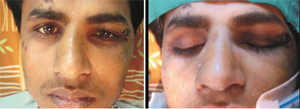
Septoplasty (નાકના ૫ડદાનું ઑ૫રેશન)

»   Septoplasty is a surgical procedure that's done to fix a deviated nasal septum. A deviated septum occurs when the cartilage that separates your nostrils is out of position. This can cause breathing problems, nosebleeds, and pain.

»   The main goal of septoplasty is to correct the alignment of your septum in order to improve airflow through your nose.

»   Septoplasty is typically an outpatient procedure and can be done under either local or general anesthesia.

Functional Endoscopic Sinus Surgery (નાકના મસાનું ઑ૫રેશન)

Sinus surgery has truly evolved over the years.
Sinus surgery was once performed through external incisions (surgical cuts on the face and in the mouth), required extensive nasal packing ( i.e. gauze or other material placed in the nose to control bleeding after surgery), caused significant pain and discomfort, and was often followed by a long recovery period.

With recent advances in technology, including the nasal endoscope, sinus surgery is now commonly performed entirely through the nose, without face or mouth incisions.

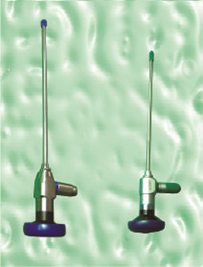
The nasal endoscope is a small, lighted metal telescope placed into the nostril. The endoscope allows the surgeon to see inside the nose and sinuses, usually with a special video camera attached to the endoscope. Today, endoscopic sinus surgery is typically done with minimal nasal packing, mild pain, and short recovery times.

Epistaxis (નાકમાંથી લોહી પડવુ)

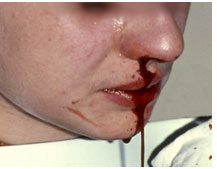
Epistaxis is defined as bleeding from the nostril, nasal cavity, or nasopharynx. Nosebleeds are due to the bursting of a blood vessel within the nose. This may be spontaneous or caused by trauma. Nosebleeds are rarely life threatening and usually stop on their own. Nosebleeds can be divided into 2 categories, based on the site of bleeding: anterior (in the front of the nose) or posterior (in the back of the nose).

Approximately 60% of the population will be affected by epistaxis at some point in time, with 6% requiring professional medical attention. The cause of nose bleeds are typically idiopathic (unknown), but they may also result from trauma, medication use, tumors, or nasal/sinus surgery.

Treatment of epistaxis may include the use of local pressure (ie pinching the nose - low over the fleshy portion, not high over the bony portion), decongestant nasal sprays, chemical or electric cautery (burning the vessel shut), hemostatic agents (topical therapies to stop bleeding), nasal packing, embolization (a procedure to place material within the vessel to block it off), and surgical arterial ligation (tying off the vessel).

There is no single definitive treatment for the management of nosebleeds and many factors including severity of the bleeding, use of anticoagulants, and other medical conditions can play a role in which treatment is utilized.

We manage epistaxis at our hospital by single sitting endoscopy and cauterization of the bleeding vessel.
Septorhinoplasty (નાકની પ્લાસ્ટિક સર્જરી)

Septorhinoplasty is surgery to fix both your nose (also called rhinoplasty) and your nasal septum (also called septoplasty).

The nasal septum is the narrow wall of tissue that separates your nostrils (hole opening of the nose). You may need a septorhinoplasty if you have a deviated septum.

Allergy diagnosis & Treatment (અલેરગી નું નિદાન અને સા૨વાર)

When you cannot avoid allergens, there are many medicines that can help control allergy symptoms. Decongestants and antihistamines are the most common allergy medications. They help to reduce a stuffy nose, runny nose, sneezing and itching.

Other medications work by preventing the release of the chemicals that cause allergic reactions. Corticosteroids are effective in treating inflammation in your nose.

An allergist will work with you to determine which medicines are best for you and how often and how much of them you should take—while eliminating or minimizing any side effects.

Treatment of chronic cough & cold (જૂની શરદી અને ખાંસી નું નિદાન અને સારવાર)

The common cold is almost always accompanied by a cough and can be quite an irritating condition to deal with. While, medication can help reduce the symptoms you experience, a cold has no cure and it takes about seven days to resolve.