Neck
Tonsillectomy (કાંડlનું ઓ૫રેશન)
Tonsillectomy (કાંડlનું ઓ૫રેશન)
Tonsillectomy (ton-sih-LEK-tuh-me) is the surgical removal of the tonsils, two oval-shaped pads of tissue at the back of the throat — one tonsil on each side.
A tonsillectomy was once a common procedure to treat infection and inflammation of the tonsils (tonsillitis). Today, a tonsillectomy is usually performed for sleep-disordered breathing but may still be a treatment when tonsillitis occurs frequently or doesn't respond to other treatments.
A tonsillectomy may also be necessary to treat breathing and other problems related to enlarged tonsils and to treat rare diseases of the tonsils.
Adenoidectomy (નાકની પાછળના મસા)
Adenoidectomy is a surgical procedure performed to remove the adenoids. Adenoids are a mass of lymphoid tissue located behind the nasal passages. All surgical procedures have risks and potential complications.
Cancer diagnosis and Treatment (કેન્સરનું નિદાન અને સારવાર)
At Dr. Hasmukh Shahs ENT Hospital, we believe there isn’t one way to beat cancer—there are hundreds.
Our cancer experts are committed to bringing the latest technologies and advanced treatment options to our patients sooner. At the same time, we support you with therapies to reduce side effects, boost your energy level and keep you strong during treatment.
Your dedicated team of doctors and other clinicians will take time to understand your unique diagnosis and needs. Then, we'll work together to develop an integrated cancer treatment plan tailored specifically to you.
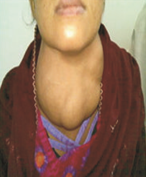
Thyroid disorders-diagnosis & surgery (થાઈરોઈડ ના રોગોનું દવાઓ અને ઑ૫રેશનથી સારવાર)
At one time, thyroid disease, particularly in the form of marked enlargements and over activity, was only curable by surgical treatment. Indeed, the Nobel Prize in medicine was awarded to Professor Theodore Kocher of Switzerland in 1909 for making thyroidectomy a safe procedure.
In the last 50 years, medical discoveries regarding the thyroid gland have been numerous and have resulted in decreasing the need for surgical treatment. However, surgical treatment is still an essential part of the treatment of many thyroid conditions.
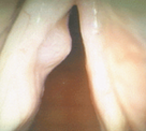
Microlaryngoscopic surgery (દૂરબીન દ્વારા સ્વર પેટીનું ઑ૫રેશન)
You have been scheduled for surgery to remove or biopsy a lesion of the vocal cord(s). The surgery is performed through the mouth while you are under general anesthesia (asleep). A microscope and delicate surgical instruments are used, which allows accurate surgery with minimal surgical trauma to the area. The following instructions should answer most of your questions about what to expect after surgery.
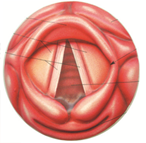
Diagnosis & treatment of voice disorders (સ્વર પેટીના રોગોનું નિદાન અને સારવાર)
At the Department of Speech Pathology, we provide a wide range of traditional and innovative diagnostic methods and technologies.
Patients are often examined with a flexible telescope called a laryngoscope, which gives the physician a close look at the voice box.
This tool enables the doctor to diagnose subtle disorders in the way the vocal folds move and to determine whether the patient is using his or her voice in a proper or improper manner.
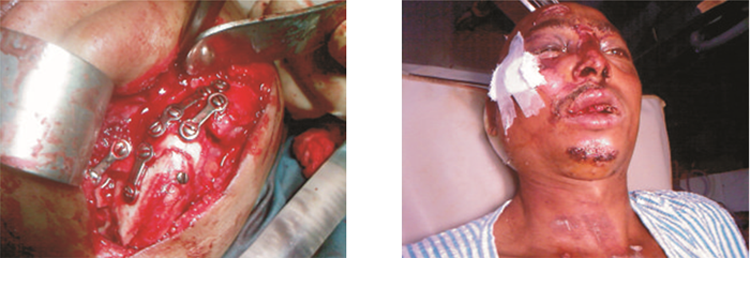
Fracture of nasal bones & other facial bone (નાક અને જડબા ના ફેક્ચરનું નિદાન અને ઑ૫રેશનથી સારવાર)
The bones of the nose are broken more often than any other facial bone. When nasal bones break, the mucous membrane lining the nose can tear, resulting in a nosebleed. Commonly, the bridge of the nose is pushed to one side.
Sometimes the cartilage of the nasal septum (the rubbery tissue that divides the nasal cavity into two) can be pushed to one side. If blood collects under the mucous membrane that lines the cartilage of the nasal septum (called septal hematoma), the cartilage may die.
The dead cartilage may disintegrate, causing the bridge of the nose to sag in the middle (called saddle nose deformity).
Dacryocystorhinostomy (દૂરબીન દ્વારા ચીરા વગર નાસૂરનું ઑ૫રેશન)
Dacryocystorhinostomy (DCR) surgery is a procedure that aims to eliminate fluid and mucus retention within the lacrimal sac, and to increase tear drainage for relief of epiphora (water running down the face).
A DCR procedure involves removal of bone adjacent to the nasolacrimal sac and incorporating the lacrimal sac with the lateral nasal mucosa in order to bypass the nasolacrimal duct obstruction. This allows tears to drain directly into the nasal cavity from the canaliculi via a new low-resistance pathway.
Sleep study and surgery for snoring (નસકોરાનું નિદાન અને સારવાર)
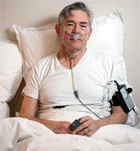
To undergo a sleep study at home, patients are evaluated by our medical staff and sent home with a portable device that is worn to bed for one night. The simple device fits on your wrist like a watch and connects to the fingertips.
You simply push a button and enjoy a good night’s sleep.